
By: Shaharan Suhuyini
Jummah Under Strain: When Children’s Disorientation Disrupts Worship in Tamale
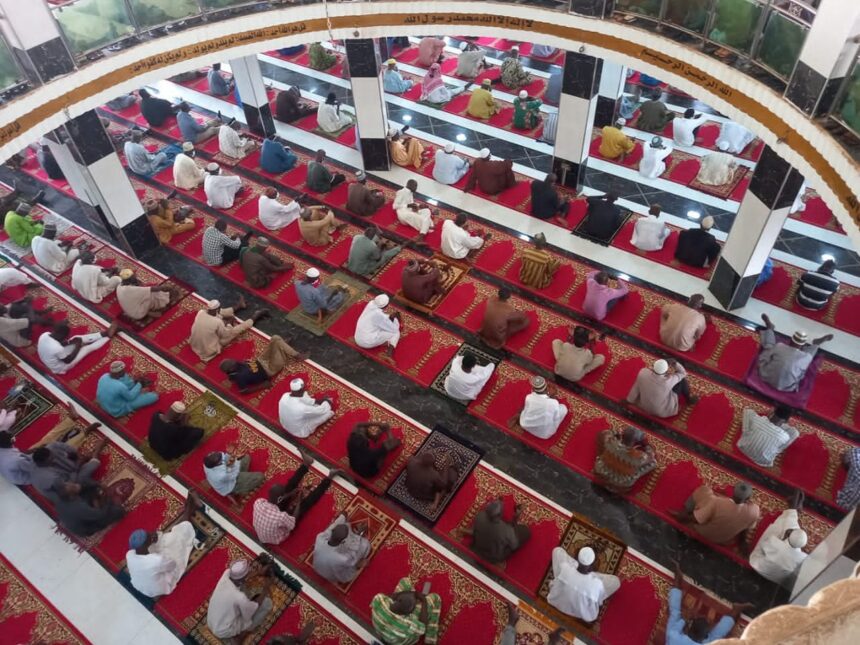
Every Friday, Mosques across Tamale and elsewhere come alive as Muslims gather for Jummah prayers, a central pillar of weekly Islamic worship. It is a time meant for reflection, discipline, and collective spiritual renewal.
However, an emerging concern among worshippers is threatening the serenity of this sacred moment: the growing disorientation of children during Jummah prayers.
Across several Mosques, children are seen running through prayer lines, playing during the khutbah, or speaking loudly while prayers are in session and immediately after prayers.
In many instances, some appear dressed anyhow, without regard for the dignity and modesty expected in the House of Allah.
While children are cherished in Islam, their unmanaged conduct has become a source of distraction and concern for many worshippers in the Tamale Metropolis.
Understanding the Challenge
Children are naturally energetic and curious. Their presence in Mosques should be encouraged, not discouraged.
However, when children attend Jummah without guidance, preparation, or supervision, the purpose of the gathering is compromised.
The issue is not the children themselves but the absence of structured parental guidance and communal responsibility.
Jummah is not merely a social gathering; it is an act of worship that requires attentiveness and respect. When disorder becomes the norm, it affects the spiritual experience of the entire congregation.
Dressing and Decorum in the House of Allah
One visible concern is inappropriate dressing. Some children attend Jummah in clothing better suited for playgrounds than prayer grounds.
Islam places great emphasis on modesty and cleanliness, especially during worship. Proper dressing is not about luxury but about respect for oneself, the Mosque, and the act of standing before Allah.
The Role of Parents
At the heart of the issue lies parental responsibility. Parents are the first teachers of faith, discipline, and values. Bringing a child to the mosque must go hand in hand with teaching mosque etiquette: how to sit quietly, listen attentively, dress appropriately, and respect the prayer space.
Leaving children unattended
during Jummah sends the wrong message and places an unfair burden on fellow worshippers. Parenting in worship spaces is not optional but an obligation.
The Qur’anic Perspective
The Qur’an is clear on the standards of conduct in worship. Allah instructs in Surah Al-A‘raf (7:31): “O Children of Adam, take your adornment at every place of worship.” This verse underscores the importance of proper appearance and reverence in Mosques.
Additionally, Surah At-Tahrim (66:6) reminds believers of their duty to guide their families, reinforcing the idea that faith education extends beyond the home into communal spaces.
The Way Forward: A Shared Solution
Solving this challenge requires a collective community approach. Parents must take ownership of their children’s behavior.
Mosques in Tamale can support by organizing short educational sessions on Mosque etiquette, creating designated spaces for young children where possible, and engaging parents through community dialogue.
Community leaders, Imams, and elders must address the issue with wisdom, compassion, and firmness, promoting guidance rather than blame.
Conclusion
Children represent the future of Islam in Tamale, and their presence in Mosques is a blessing. But blessings must be nurtured with discipline and responsibility.
By aligning parental duty, community support, and Qur’anic guidance, Tamale can preserve the sanctity of Jummah prayers while raising a generation that understands both faith and discipline.
Protecting Jummah is not about silencing children, it is about teaching them reverence.